
Exploring Prayer
Prayer is the encounter of God’s thirst with ours.
Catechism of the Catholic Church, 2560
Understanding Prayer
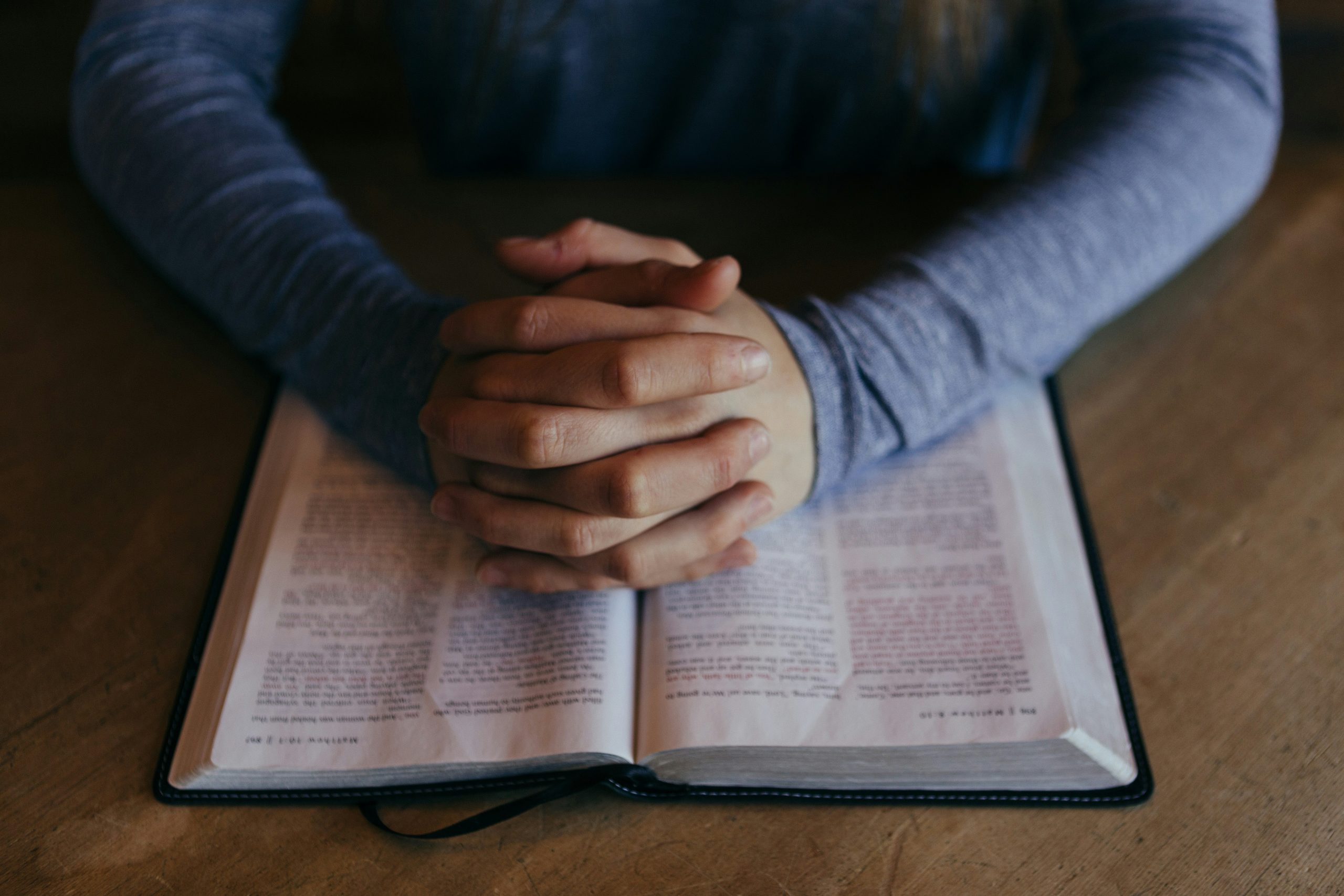
Prayer in the raising of our hearts and minds to God. It is not so much about technique as it is about building up our relationship with God, though Jesus, in the power of the Holy Spirit. There are many types of prayer, including adoration, confession, thanksgiving, and supplication, each offering a unique way to express devotion and seek guidance. Rooted in Scripture and Tradition, prayer is both a personal and communal act, fostering spiritual growth and a deeper relationship with God.

Common Questions About Prayer
Explore answers to frequently asked questions about prayer, whether you’re just starting, returning, or seeking to deepen your practice.
What is the best way to start praying as a beginner?
Begin with simple prayers like the Our Father or Hail Mary, and set aside a quiet time each day to focus on your thoughts and intentions.
How can I return to prayer after a long absence?
Start by attending Mass regularly and incorporating short, daily prayers into your routine to gradually rebuild your spiritual practice.
What resources are available for deepening my prayer life?
Consider joining a prayer group, attending retreats, or exploring spiritual readings such as the writings of the saints and Church teachings.
How does prayer impact my daily life?
Prayer is our response to God’s love. It is a way of, not only listening, but also hearing from Him. Prayer provides peace, clarity, and strength, helping you navigate life’s challenges with a sense of purpose and connection to God. It is an essential element in the daily life of a disciple of Jesus.
What are some common forms of Catholic prayer?
Catholic prayer includes vocal prayers, meditation, contemplation, the Rosary and reading Scripture, each offering a different way to engage with God.
How can I teach my children to pray?
Introduce them to simple prayers and encourage them to express gratitude and intentions, making prayer a natural part of their daily routine, at meal times, before bed or on special feast days.
What is the significance of the Rosary in Catholic prayer?
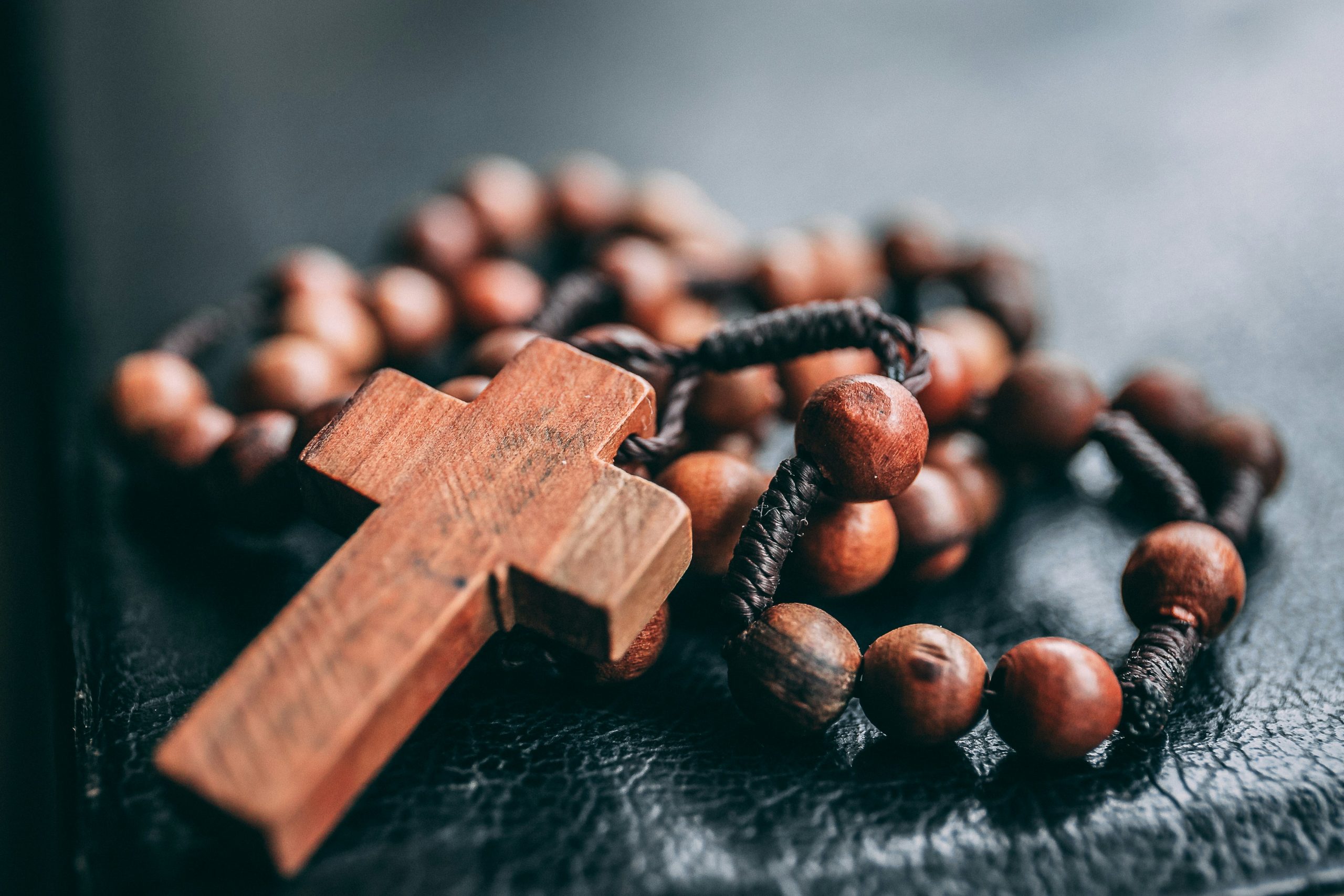
The Rosary is a meditative prayer that reflects on the life of Christ and the intercession of the Blessed Virgin Mary, encouraging deeper spiritual reflection. It creates a rhythm of prayer and silence and can be prayed alone or with others. Many saints and popes have encouraged this devotion.
How can I stay focused during prayer?
Find a quiet space, eliminate distractions, and use prayer aids like candles or icons to help maintain your focus and intention.
Why is communal prayer important?
Communal prayer strengthens the faith community, fosters unity, and allows individuals to support each other in their spiritual journeys.
Religious Communities
For centuries, religious communities have been schools of prayer, nurturing lives centred on Christ and sustained by the rhythm of daily encounter with God. Through times of silence and song, work and worship, they remind us that prayer is not simply something we do, but a way of living in God’s presence.
Across the Diocese of Middlesbrough, religious sisters, brothers, and communities each offer their own rich spiritual traditions. Some are rooted in contemplation and silence, others in service to the poor, or missionary outreach. Yet all witness to the truth that prayer is at the heart of the Christian life.
Their spirituality is not reserved for those living a religious vocation. The wisdom of their founders and the practices they have developed over generations can inspire and enrich the prayer life of every Christian. Whether through praying with Scripture, finding God in everyday life, embracing silence, or discovering the beauty of the liturgy, there is much we can learn from their example.
We invite you to explore the religious communities of our diocese and discover how their unique charisms can help you to deepen your own relationship with God. Their stories, traditions, and ways of praying offer a rich treasury for anyone seeking to grow in faith and draw closer to Christ.
Explore More on Catholic Prayer
Example Prayer Time
ACKNOWLEDGE
Take some deep breaths and acknowledge God’s presence with you. Notice how you are feeling.
RELATE
Talk to God about how you are feeling, what is going on in your life. There is no need to hold back anything from Him.
RECEIVE
Try to be silent and listen out for God’s voice. A word or scripture, thought or feeling may come to mind. God also can speak in the silence.
RESPOND
Respond to what you have received, it may to to continue to pray or an action to do. End with a short prayer of thanksgiving.