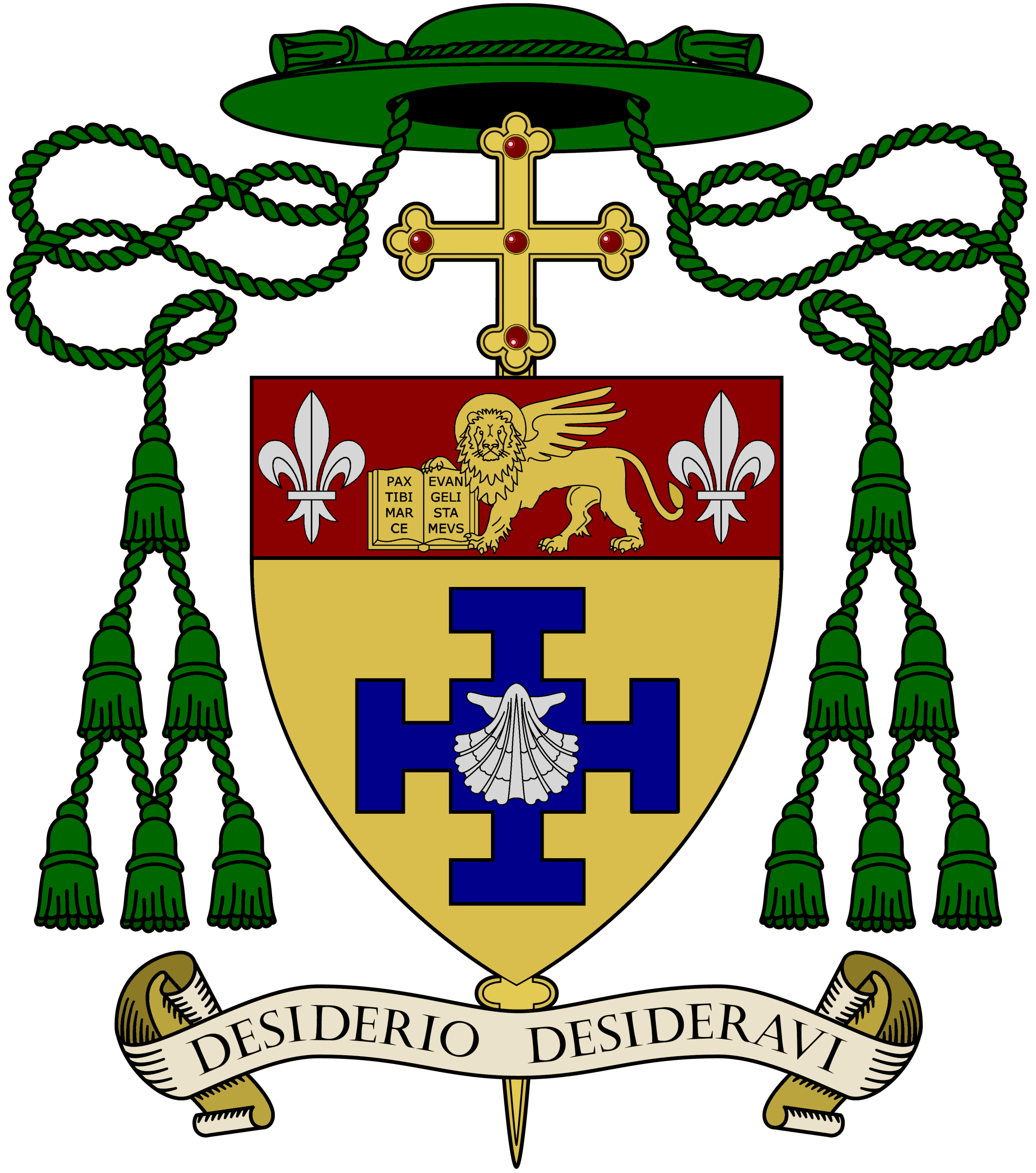

Cardinal Vincent Nichols has welcomed the news that Saint John Henry Newman is to be declared a Doctor of the Church by Pope Leo XIV. The announcement has been met with great joy across the Catholic world, especially here in England.
Newman will be the 38th saint to receive this title, which is given to those whose writings and teachings continue to guide the Church in faith and doctrine. His inclusion among the Church’s most trusted teachers reflects both the depth of his thought and the witness of his life.
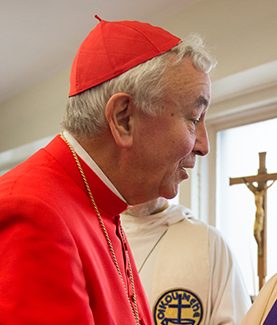
Photo Credit: Catholic Church England and Wales, CC BY-NC-ND 2.0
Why This Matters
An enduring voice of faith
Cardinal Nichols said that Newman’s writings offer “a true expression of the faith of the Church” and are a great encouragement to all who are trying to live the Gospel. Newman’s personal motto, Cor ad cor loquitur – “Heart speaks to heart” – has resonated deeply with many over the years, and continues to speak to the spiritual hunger of our time.
Bridging traditions
Newman’s story holds special significance for both Catholics and Anglicans. He saw his journey from the Church of England into full communion with the Catholic Church not as a rejection of his past, but a fulfilment of it. Many see him as a bridge between traditions and a model of integrity and grace in the search for truth.
A guide for today
In an age often marked by confusion, individualism, and shallow certainties, Newman’s careful thought and deep faith offer clarity. His reflections on conscience, the development of doctrine, and the role of the laity have helped countless people find their way in the Church.
A Life of Prayer and Intellect
From Oxford to the Oratory
John Henry Newman was born in London in 1801. As an Anglican priest, he became one of the leading voices of the Oxford Movement, calling the Church of England back to its Catholic roots. In 1845, after years of study and prayer, he was received into the Catholic Church. He went on to found the Oratory of Saint Philip Neri in Birmingham, where he lived and served for the rest of his life.
Canonised in 2019
Newman was beatified by Pope Benedict XVI in 2010 and canonised by the late Pope Francis in 2019. He is known not only for his theology but for his care of souls, his love for truth, and his deep interior life.
His writings
Among his best-known works are Apologia Pro Vita Sua, The Grammar of Assent, and The Idea of a University. He also wrote poetry and hymns, including Lead, Kindly Light. His works continue to be studied by theologians, philosophers, and ordinary believers alike.
Responses from the Church in England
Archbishop Bernard Longley
The Archbishop of Birmingham has noted the significance of this honour, pointing out that Newman joins only two other Englishmen (Saint Bede and Saint Anselm) as Doctors of the Church. He also highlighted the importance of recognising Newman’s life and writings as a whole, from his Anglican years through to his Catholic ministry.
Bishop Terry Drainey
Our own bishop expressed his joy at the announcement, noting the years of hope and prayer behind the petition:
“For a number of years now, the Catholic Bishops’ Conference of England and Wales, together with other institutions and individuals, have been petitioning the Holy See to declare Saint John Henry Newman a Doctor of the Church. His writings are extensive and profound. They span a whole range of theological thought, sermons, his own faith journey, the purpose of Catholic education and much more.”
He acknowledged that for many, Newman is remembered especially through his hymn Lead, Kindly Light and the powerful poem The Dream of Gerontius, later set to music by Sir Edward Elgar.
“To be declared a ‘Doctor of the Church’ proclaims the depth and wisdom of his teaching, which have nurtured and guided the Church through the generations, but also establishes the fact that they are just as relevant to the Church and world of today.”
Yet, Bishop Drainey pointed out, it is not ultimately about the weight of words, but the movement of the heart:
“In the end, though he recognised that all the inspiring and profound writings he had amassed were nothing if they did not lead us to experience at a real and personal level the great love of God for each of us – God speaking to our heart from his own heart. This is what will lead us from ‘shadows and images into the truth’.”
The Oratory and Newman Centres
The Oratory community in Birmingham and scholars at the Newman Centre in Oxford have welcomed the news with gratitude and joy. They see this as a moment not just for celebration, but for renewed attention to Newman’s call to holiness, truth, and fidelity. No doubt our local Oratorians in York share these sentiments.
What Happens Next
The Holy See is expected to issue a formal declaration soon, either by apostolic letter or during a liturgical celebration in Rome. The date for the official proclamation is yet to be confirmed.
This moment is not only a recognition of Newman’s contribution to the life of the Church, but an invitation for us to rediscover the riches of his teachings, especially his encouragement to holiness, conscience, and faithful discipleship in the midst of a changing world.
